Serving Indiana Counties: Marion, Hamilton, Hendricks, Boone, Johnson, Morgan, Hancock, Shelby and Madison
Septic Finger Replacement near Marion County, Indiana
Max Haas Septic Services LLC is Committed to superior quality and results!

AVOID COSTLY MISTAKES:
Do NOT hire an excavating contractor without first reading our free guide:
The ULTIMATE Excavation & Septic "Success Guide."

Septic Finger Replacement near Marion County, Indiana
Most homeowners don’t think about septic “fingers” until something goes wrong, and when they do, it’s hard to ignore. Maybe your yard stays wet, there’s a lingering smell, or your system just doesn’t feel reliable anymore. It’s frustrating, especially when you’re not sure how serious the problem is.
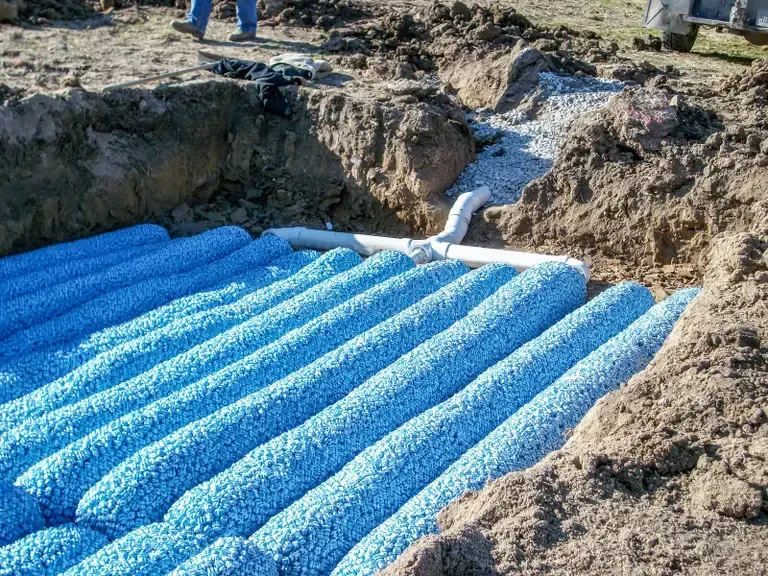
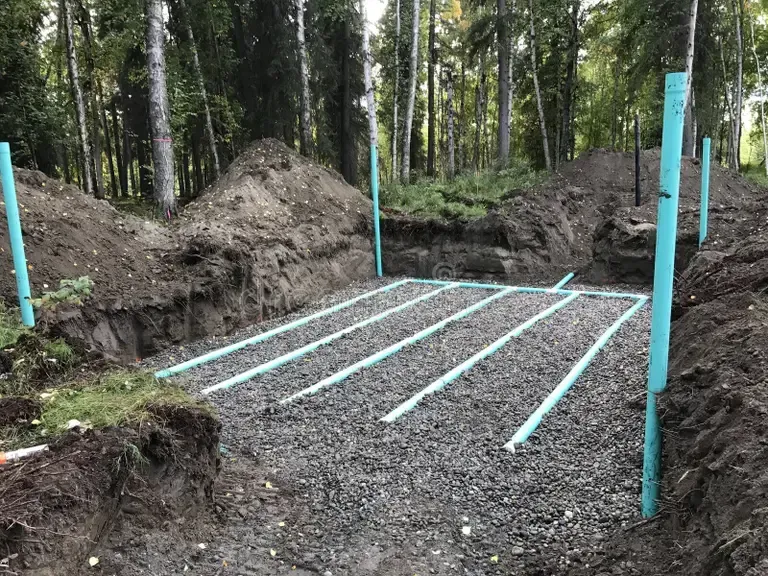
When people search for finger replacement companies near marion county, indiana, it’s usually because the system isn’t working like it used to. Septic fingers move wastewater through your drain field, and when they fail, water has nowhere to go. The ground becomes saturated, and the system struggles to keep up.
How Can We Help?
Signs and Common Problems with Septic Finger Systems
Septic finger systems usually don’t fail all at once. They tend to give warning signs early on, but those signs are easy to overlook at first. You might notice areas of your yard staying wet longer than they should, or patches of grass that look greener than the rest. Inside the home, drains may start to slow down or feel inconsistent.
Sometimes the first thing homeowners notice is the smell. Other times, it’s how the system reacts after heavy use or rain. Things don’t drain as quickly, or the yard feels softer in certain areas. These small changes are often the system’s way of telling you something isn’t working properly.
In Marion County, Indiana many of these problems come from systems that have been in place for years. Over time, soil can become compacted or saturated, and the septic fingers themselves can clog, break down, or stop distributing wastewater evenly. When that happens, the system begins to lose its ability to drain effectively.
What starts as a minor issue can quickly grow into something bigger. Standing water, odors, and even backups can follow. And once the drain field is compromised, it doesn’t just affect one area, it impacts how the entire septic system performs.
Benefits of Septic Finger Replacement for Your Property
When septic fingers are replaced properly, the difference is something you notice almost right away. Water begins to move through the system the way it’s supposed to, instead of sitting in the yard or backing up. Areas that stayed wet start to dry out, and the system feels like it’s working again instead of struggling.
Along with that comes a shift in how you feel about your home. The stress of wondering what might happen next starts to fade. You’re no longer dealing with the same issues showing up over and over again, and you’re not constantly checking for signs of trouble.
There’s also a long-term benefit that matters just as much. A properly functioning drain field supports the entire septic system, helping everything work together the way it was designed to. This reduces the chances of future damage and keeps small issues from turning into larger, more expensive problems.
For many homeowners, the biggest benefit is simple. Things go back to normal, and your septic system becomes something you don’t have to think about anymore.
See Our Septic Services

✔️ Septic Inspections
✔️ Septic System Pumping
✔️ Septic Installs Traditional Systems
✔️ Septic Tanks - Aerobic Systems
✔️ Septic tanks - Plastic/poly
✔️ Septic tanks - Concrete
✔️Septic to City Sewer Conversions
✔️Tank Replacement
✔️Finger Replacement
✔️E1 Systems
✔️ General Sewer Work for Septic & Excavation
Quality Services Launched FAST!

✔️ Drain Field Replacement
✔️ Sewer Repairs
✔️ Drainage Systems
✔️ Lift Station
✔️ Grease Trap Pumping
✔️ Grease Trap Jetting
✔️ Grease Trap Replacement
What Are You Waiting For?
How to Hire Septic Finger Replacement Companies Near Marion County, Indiana
For most homeowners, septic finger replacement is unfamiliar territory. It starts with understanding what’s actually happening underground. The first step is evaluating your current system, looking at how it’s performing, and identifying where the problem is coming from. From there, a plan is built around your property so the solution fits your specific layout, not just a general approach.
Once the plan is in place, the work begins. The affected areas are carefully excavated, and the old or failing components are removed. New materials are installed to restore proper drainage and allow the system to function the way it should. After installation, everything is checked and tested to make sure water is moving correctly through the system.
At that point, the goal is simple. Not just to repair what’s broken, but to restore the system so it works reliably moving forward.
If you’re hiring for this type of work, the process is more straightforward than it may seem. It usually starts with a conversation about what you’re experiencing, followed by a site visit to confirm the issue. From there, you should receive a clear explanation of what’s wrong, why replacement is being recommended, and what the final result will look like. When you understand the problem and the solution, it becomes much easier to move forward with confidence.
Choosing the right contractor comes down to more than just having the right equipment. It’s about working with someone who understands how septic systems function as a whole and can adapt to the conditions of your property. Clear communication and a thoughtful approach make a big difference, because when you understand what’s being done and why, the entire process feels easier from start to finish.
Why Local Experience Matters in Marion County, Indiana
Every area has its own conditions, and Marion County is no different. Soil type, drainage patterns, and local regulations all play a role in how septic systems perform. Working with someone familiar with the area helps avoid unnecessary complications and keeps the project moving smoothly from start to finish.
At Max Haas Septic, Inc, we focus on adapting each project to the property instead of forcing a one-size approach. That attention to detail helps ensure the work is done correctly the first time, so you’re not dealing with the same issue again later.


Hours: Mon-Fri 8AM-5PM
Extended hours by emergency appointment only.
Address: 7514 E 39th St, Indianapolis, Indiana 46226
All rights reserved | Client Support Area