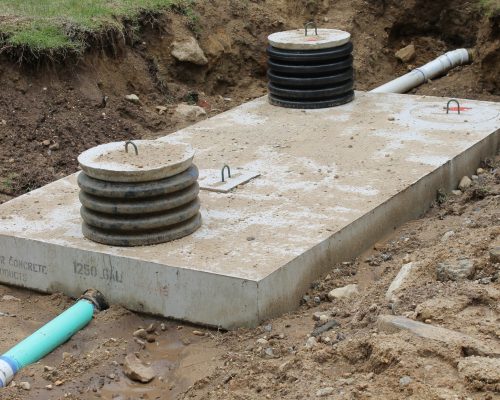
The Step-by-Step Process of Septic Installation Near Hamilton County, Indiana
If you’re reading this, there’s a good chance you’re standing at the edge of a big decision.
Maybe you just bought land in Hamilton County and found out there’s no access to city sewer. Maybe you’re planning a new home and your builder just told you a septic system is required. Or maybe your current system has reached the point where repairs don’t make sense anymore.
And now your head is full of questions.
How much is this going to cost?
How long will it take?
What if the soil doesn’t pass the test?
What if I pick the wrong contractor and it becomes a problem I live with for the next 30 years?
We talk to homeowners every week who feel the same way. This isn’t like picking out kitchen cabinets. A septic system is buried underground. You don’t see it every day. But if it’s done wrong, you will feel it every day.
At Max Haas Septic Services, based in Indianapolis and serving Marion, Hamilton, Hendricks, Boone, Johnson, Morgan, Hancock, Shelby, and Madison Counties, we spend a lot of time walking people through this process step by step so they know what’s coming and what to expect. Because when you understand how septic installation works, the stress starts to fade and the project starts to feel manageable.
Let’s break it down.
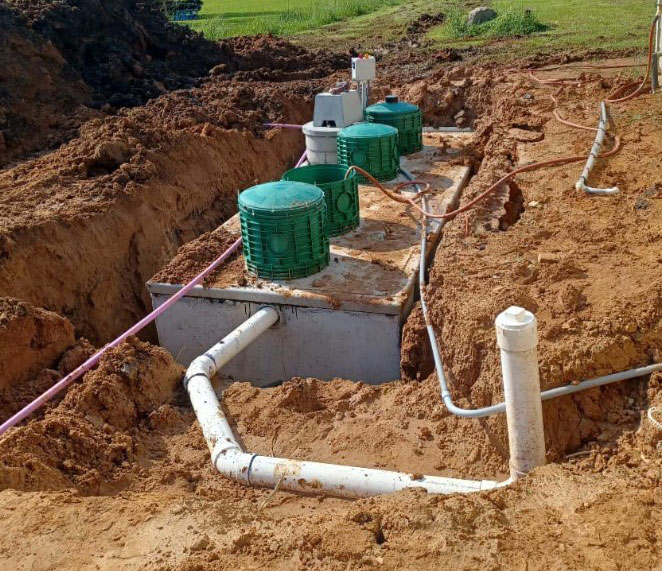
What Makes Septic Installation Different in Hamilton County, Indiana
Septic installation is never one-size-fits-all, and Hamilton County has its own set of conditions that shape how systems are designed and installed.
Soil types vary from one property to the next. Some areas drain well. Others hold water longer than you’d expect. Lot size, slope, nearby wells, streams, and property lines all play a role in what kind of system is allowed and where it can go.
That’s why septic installation near Hamilton County, Indiana, always starts with learning the land. Not guessing. Not copying the neighbor’s system. Designing something that works for your specific property.
Step 1: Evaluating the Property and Soil Conditions
Perc Testing and Soil Boring Explained in Plain Terms
Before any design begins, the soil has to be tested.
A perc test measures how quickly water moves through the ground. This tells us whether the soil can safely treat wastewater. Soil borings show the layers beneath the surface and how deep the usable soil goes.
For homeowners, this is often the most nerve-wracking step. You’re thinking, “What if it fails?”
In reality, a “failed” test doesn’t mean you can’t build. It just means the system needs a different design.
How Lot Size, Slope, and Drainage Affect Your System Design
We also look at:
The size of your lot
Natural elevation changes
Drainage patterns
Locations of wells and structures
All of this determines where the system can live and how it will perform long term.
Step 2: Choosing the Right Septic System for Your Land and Your Home
Conventional vs. Engineered Septic Systems in Central Indiana
Some properties qualify for a conventional gravity system. Others need an engineered solution, such as a mound or advanced treatment system.
Neither is “better” across the board. The best system is the one that matches your soil, your space, and your household needs.
Matching the System to Your Household Size and Water Use
The number of bedrooms in your home, your daily water use, and even future plans for the property all factor into the design.
This is where customization matters most. Because the goal isn’t just to pass inspection. It’s to give you a system that works quietly in the background for decades.
Step 3: Navigating Permits and Health Department Requirements
What the Hamilton County Health Department Looks For
The design and test results are submitted for approval. The health department reviews:
Soil data
System layout
Setback distances
Tank size and type
This step protects you. It ensures your system meets local codes and environmental standards.
Typical Timeline for Septic Installation Approval
Approval times can vary, but planning ahead keeps the overall project on schedule.
Step 4: Planning the Layout and Protecting Your Property
Tank Placement, Field Location, and Setback Rules
The layout determines where every component will go. This includes the tank, the drain field, and the connecting lines.
We think about more than just today. We think about:
Future patios
Driveways
Pools
Outbuildings
Preserving Driveways, Trees, and Future Building Plans
A well-planned layout protects the parts of your yard you care about most.
Step 5: Preparing the Site for Septic Installation
Excavation and Equipment Access
Getting equipment in and out without damaging the property takes planning. Access paths are chosen carefully to reduce impact.
Weather, Soil Moisture, and Scheduling in Indiana
Indiana weather plays a role. Soil that is too wet can’t be properly compacted. Timing matters more than most people realize.
Step 6: Installing the Septic Tank and Distribution Components
Setting the Tank the Right Way the First Time
The tank is placed at the correct depth and leveled precisely. This prevents future settling and flow problems.
Connecting the System to the Home
The line from the house to the tank is installed with the proper slope so everything moves the way it should.
Step 7: Building the Drain Field for Long-Term Performance
Why Proper Grading Matters More Than Most People Think
The drain field is where the real treatment happens. The soil must remain in its natural condition to do its job.
Protecting the Soil Structure During Installation
Heavy equipment is kept off the drain field area as much as possible. This protects the system’s lifespan.
Step 8: Inspection, Testing, and Final Approval
What Happens During the Final Health Department Inspection
Before the system is covered, it’s inspected to make sure everything matches the approved design.
Common Issues That Can Delay Sign-Off
Accurate installation and preparation prevent delays at this stage.
Step 9: Backfilling, Clean-Up, and Restoring Your Yard
Once approved, the system is covered and the yard is shaped and smoothed.
Our goal is simple. When we leave, your property should look like a home site again, not a construction zone.
Step 10: Learning How to Care for Your New Septic System
The First 90 Days After Installation
The system begins working immediately, but the soil continues to settle and stabilize.
Simple Habits That Help Your System Last for Decades
Routine pumping, water management, and protecting the drain field from traffic all make a difference.
How Long Septic Installation Near Hamilton County, Indiana Typically Takes
From testing to final grading, most projects move through several phases. Some steps happen quickly. Others depend on approvals and weather.
Understanding the timeline helps homeowners plan their build without surprises.
The Most Common Mistakes Homeowners Make Before Installing a Septic System
Buying land without testing the soil
Not leaving enough space for the system
Driving or building over the future drain field
Waiting until the last minute to start the process
Avoiding these mistakes saves time, money, and stress.
How We Customize Septic Installation for Each Property We Work On
No two properties are the same. That’s why every system we install is designed around the land, the home, and the homeowner’s long-term plans.
For us, septic installation near Hamilton County, Indiana, isn’t about installing a tank and leaving. It’s about building something that supports your home and your investment for the long haul.
What to Expect When You Work With Max Haas Septic Services
You can expect clear communication. You can expect straight answers. You can expect a process that’s explained in plain language so you always know what’s happening next.
Most of all, you can expect a system that was designed for you, not pulled from a template.
Because a septic system isn’t just another item on a construction list.
It’s the foundation that makes everything else on your property possible.
