The Ultimate Guide to Septic Inspections Near Hamilton County, Indiana
You don’t think about your septic system until you have to.
For most homeowners in Hamilton County, it sits underground, quiet and out of sight, doing its job day after day. Then something changes. Maybe you’re buying a home and your real estate agent tells you a septic inspection is required. Maybe you’re selling and the buyer wants proof the system works. Or maybe you’ve started noticing slow drains, soggy spots in the yard, or a smell you hope isn’t what you think it is.
That’s when the questions start.
How bad is it?
How much is this going to cost?
What if the system fails?
What if the deal falls apart?
We talk to homeowners in this exact situation every week. They’re not just looking for an inspection. They’re looking for clarity. They want someone to explain what’s happening in plain language and help them make the right decision for their home, their timeline, and their budget.
At Max Haas Septic Services, based in Indianapolis and serving Marion, Hamilton, Hendricks, Boone, Johnson, Morgan, Hancock, Shelby, and Madison Counties, we’ve built our process around that moment. Not just inspecting systems, but helping people understand them. Every property is different. Every yard, every soil type, every system layout. That’s why we focus on customizing our approach to fit what you actually need.
This guide will walk you through everything you should know about Septic Inspections Near Hamilton County, Indiana, so you can move forward with confidence instead of stress.
What Is a Septic Inspection and Why It Matters in Hamilton County
A septic inspection is a full health check for your system. It looks at how the tank, pipes, and drain field are working together and whether they are doing their job safely and efficiently.
In a fast-growing area like Hamilton County, where older rural properties sit next to newer developments, septic systems vary widely. Some are decades old. Some were installed recently. Some were maintained well. Others were not.
An inspection gives you the real story.
It answers the questions a standard home inspection cannot:
Is the system structurally sound?
Is it processing waste correctly?
Is it close to failure?
Without that information, you are guessing. And guessing with a septic system can get expensive.
Who Needs a Septic Inspection the Most
We see three main groups scheduling inspections:
Home buyers who want to avoid buying a hidden problem
Home sellers who want the sale to move forward without surprises
Long-time homeowners who want to protect their investment
If your home has a septic system and it has been a few years since it was checked, you are in that third group whether you realize it or not.
The Biggest Fears Homeowners Have
Most people don’t say this out loud, but we hear it in their voice.
They’re afraid the system has already failed.
They’re afraid the repair will cost more than they can handle.
They’re afraid a real estate deal will fall apart.
Those are real concerns. Septic systems are one of the most expensive components on a property. But what we often find is not total failure. It’s a maintenance issue. A clogged filter. A tank that simply needs pumping. A small repair caught early.
Information removes fear. That’s the real value of an inspection.
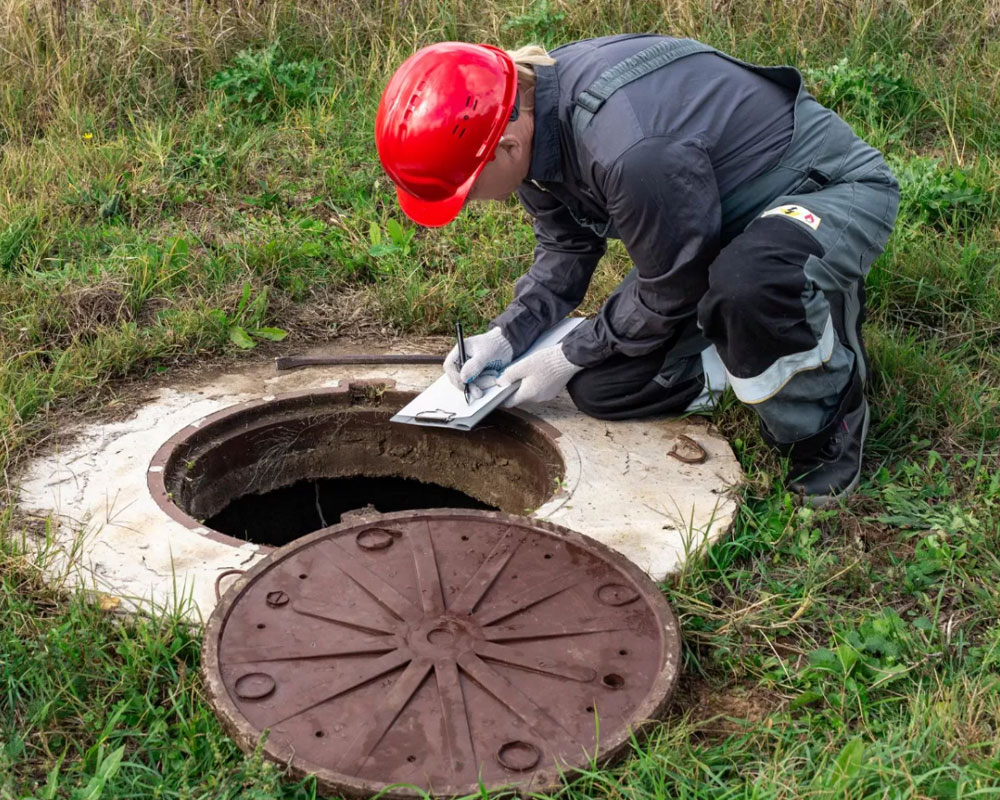
What Happens During a Professional Septic Inspection
A proper inspection is not a quick look in the yard.
We:
Locate and open the tank
Check liquid levels
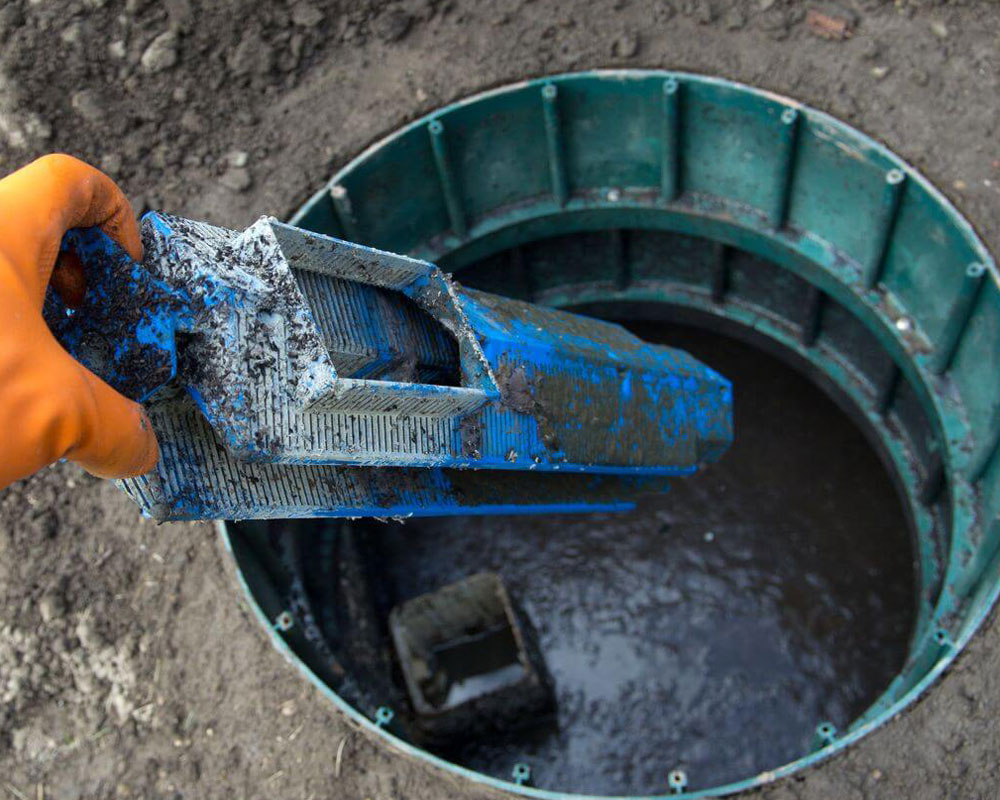
Inspect baffles and filters
Measure sludge and scum layers
Evaluate flow from the home
Examine the drain field area
Look for signs of leakage or backup
If needed, we use cameras to inspect the lines.
When we’re done, you don’t just get a pass or fail. You get a clear explanation of what we saw and what it means for your next step.
Septic Inspections for Home Buyers and Sellers
In Hamilton County’s competitive real estate market, timing matters.
For buyers, an inspection protects you from inheriting a system that could fail after closing.
For sellers, it prevents last-minute negotiations and delays.
We often coordinate with real estate agents and tight closing schedules. The goal is to give everyone the information they need without slowing the process down.
How Local Soil and Weather Affect Your Septic System
Central Indiana soil plays a major role in how septic systems perform.
Clay-heavy soil, which is common in this area, drains slower than sandy soil. That means the drain field has to work harder. Add in heavy spring rains or freeze-thaw cycles, and the system faces even more stress.
This is why local experience matters. What works in another state may not work here.
Common Problems Found During Inspections
Some of the most common issues we see include:
Full tanks that were never pumped
Blocked outlet filters
Crushed or root-filled pipes
Drain fields that are oversaturated
Improper system sizing for the home
Most of these start small. When caught early, they are manageable.
How Long an Inspection Takes
Most inspections take a few hours. The timeline can change depending on:
Tank access
Weather conditions
System location
Property size
We plan each inspection around the property so there are no surprises.
Septic Inspection Costs in Hamilton County
Cost depends on:
System type
Accessibility
Whether pumping is needed
Whether a camera inspection is required
But the real cost is skipping the inspection and facing a full replacement later.
What Passing and Failing Really Mean
A passing system is working as it should today.
A failing system does not always mean replacement. Sometimes it means repair. Sometimes it means maintenance.
Our job is to explain the difference so you can make a smart decision.
Warning Signs You Should Not Ignore
Call for an inspection if you notice:
Slow drains
Sewage odors
Wet areas in the yard
Gurgling pipes
Frequent backups
These are early signals. Acting early gives you more options.
How to Prepare for a Septic Inspection
Homeowners can help by:
Knowing the tank location if possible
Clearing access to lids
Limiting water use before the visit
That simple preparation speeds up the process.
Local Regulations and Real Estate Requirements
Many property transactions in and around Hamilton County require septic inspections. Lenders and health departments often want documentation.
We stay current with these requirements so you don’t have to chase paperwork.
Choosing the Right Septic Company
Not all inspections are equal.
You want a company that:
Knows local systems
Explains findings clearly
Does not rush the process
Tailors the inspection to your property
That’s how you get real answers.
How Preventative Inspections Save Thousands
Routine inspections:
Extend system life
Prevent emergencies
Protect property value
Reduce long-term costs
They turn a major unknown into a manageable plan.
The Long-Term Benefits for Your Property
A well-maintained septic system:
Supports home value
Keeps your yard usable
Protects groundwater
Prevents unexpected repairs
Most of all, it gives you peace of mind.
Moving Forward With Confidence
If you’re searching for Septic Inspections Near Hamilton County, Indiana, you’re not just looking for a service. You’re looking for someone who understands what’s at stake.
At Max Haas Septic Services, we approach every inspection as a chance to give a homeowner clarity, not confusion. We take the time to look at the full picture, explain what we find, and tailor the solution to the property and the person who owns it.
Because in the end, this isn’t about a tank in the ground.
It’s about protecting your home, your investment, and your future plans.
