Ultimate Guide to Drain Field Replacement near Hamilton County, Indiana
Why So Many Hamilton County Homeowners Face Drain Field Problems
If you’re reading this, there’s a good chance something doesn’t feel right around your home.
Maybe your yard smells… off.
Maybe there’s a soggy patch that never dries.
Or maybe you’ve started worrying about what’s going on underground where you can’t see it.
That feeling? It’s real. And it’s more common than you think.
We talk to homeowners all across Indianapolis and nearby counties Marion, Hamilton, Hendricks, Boone, Johnson, Morgan, Hancock, Shelby, and Madison and a lot of them say the same thing:
“I knew something was wrong… I just didn’t know how serious it was.”
When it comes to your septic system, especially your drain field, small problems don’t stay small for long. And the hardest part? You often don’t see the issue until it’s already affecting your home.
At Max Hass Septic Systems, we’ve worked with families in your exact situation. You want answers. You want clarity. And most of all, you want to avoid making a costly mistake.
Let’s walk through this together step by step so you understand what’s happening, what your options are, and what to do next.
“Something Isn’t Right…” What Local Homeowners Notice First
Drain field problems rarely show up all at once.
They start quietly.
A homeowner in Hamilton County once told us:
“It started with a smell after it rained. I thought maybe it was just the weather.”
Then came the soft ground. Then slow drains. Then concern.
By the time most people realize it’s the drain field, they’ve already been dealing with the problem for weeks or even months.
That’s why understanding what your drain field does is so important.
What a Drain Field Actually Does (And Why It Matters More Than You Think)
Your drain field is where all the wastewater from your home ends up after it leaves your septic tank.
It’s responsible for:
Filtering waste safely into the soil
Preventing contamination
Keeping your yard usable and your home safe
When it works, you never think about it.
When it fails, it affects everything.
Warning Signs Your Drain Field Is Failing in Hamilton County, IN
Here are the most common signs local homeowners report:
Soggy or wet areas in your yard, even when it hasn’t rained
Strong sewage odors outside or near drains
Slow draining sinks, tubs, or toilets
Water backing up into your home
Extra green or fast-growing grass in one area
None of these should be ignored.
They’re your system’s way of telling you something isn’t working the way it should.
What Causes Drain Field Failure in Central Indiana Soil
In this area, soil plays a big role.
Central Indiana has a lot of clay-heavy soil. That means:
Water doesn’t drain easily
The ground can become oversaturated
Systems can wear out faster if not designed correctly
Other causes include:
Old systems reaching the end of their lifespan
Heavy water usage over time
Poor installation or outdated designs
How Long a Drain Field Should Last (And What Shortens Its Life)
A properly installed drain field can last 20–30 years.
But certain things can shorten that lifespan:
Driving or parking over the drain field
Tree roots growing into the system
Excess water from poor drainage around the home
Lack of regular septic maintenance
When a drain field starts to fail, repair might be an option but not always.
Drain Field Repair vs Replacement: Which Option Makes More Sense?
This is one of the biggest questions homeowners ask.
Sometimes, a repair can fix the issue especially if the problem is caught early.
But in many cases, especially when:
The soil is fully saturated
The system is older
There’s widespread failure
Replacement becomes the better long-term solution.
How Much Does Drainage Field Replacement near Hamilton County, IN Cost?
Cost is always top of mind.
The truth is, Drainage Field Replacement near Hamilton County, IN can vary depending on several factors:
Size of your property
Soil conditions
Type of system needed
Accessibility of the area
Most homeowners want a simple number but the right answer depends on your specific situation.
And choosing the wrong solution just to save money upfront can cost more later.
What Impacts the Cost of Drain Field Replacement the Most
Several factors influence cost:
Soil type (clay vs sandy soil)
System design requirements
Permits and local regulations
Labor and equipment needed
This is why a one-size-fits-all estimate rarely works.
Why Waiting Too Long Can Make Drain Field Replacement More Expensive
This is important.
When you wait:
Damage can spread
Soil can become harder to work with
Repairs may no longer be possible
We’ve seen homeowners go from a manageable fix to a full replacement simply because the issue wasn’t addressed early.
Drainage Field Replacement near Hamilton County, IN: What Your Options Are
There’s more than one way to replace a drain field.
Depending on your property, options may include:
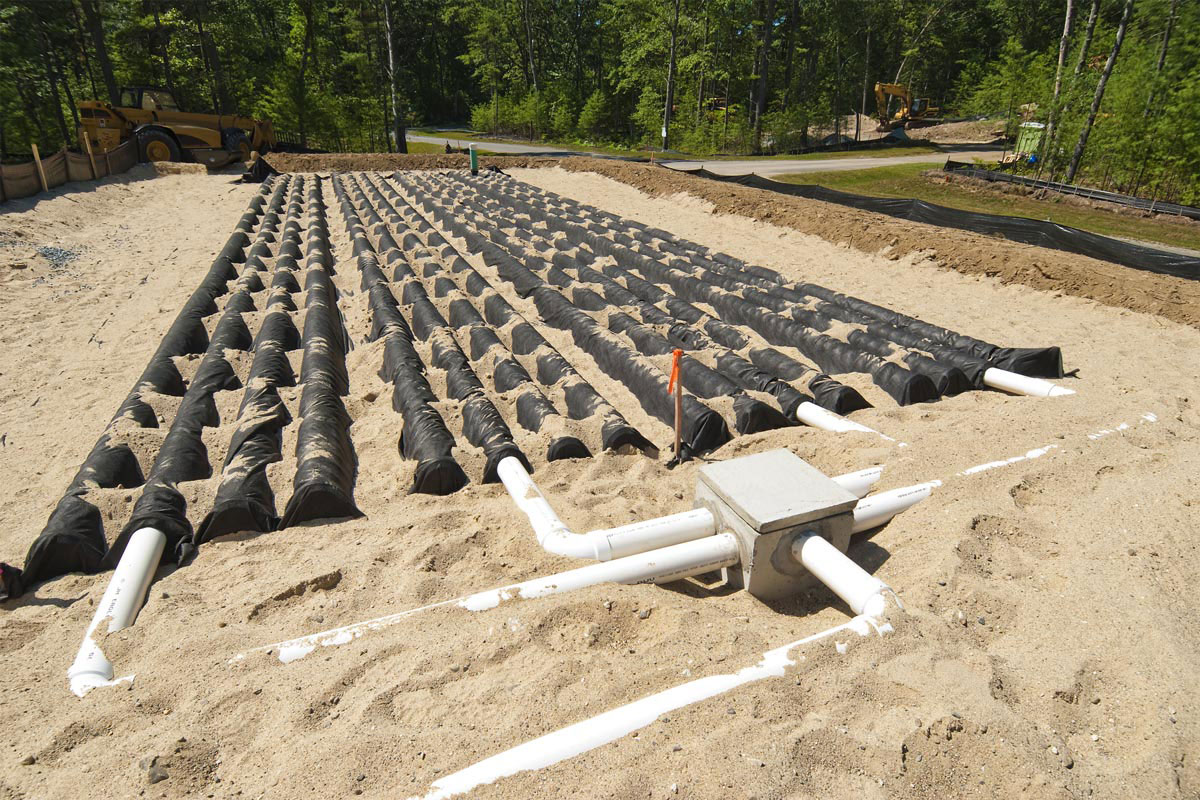
Traditional gravel systems
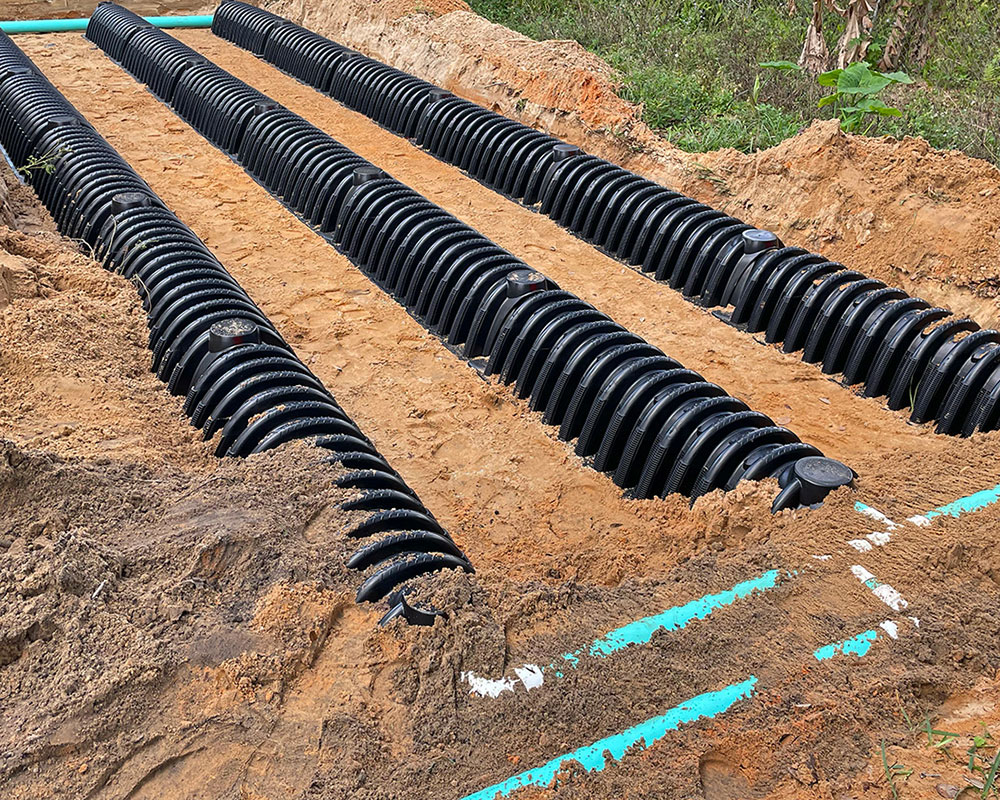
Chamber systems
Alternative systems designed for poor soil
Each option has its place. The right choice depends on your land, your usage, and your long-term goals.
Best Systems for Drainage Field Replacement near Hamilton County, IN Homes
In this region, systems that handle clay soil well tend to perform better over time.
That might mean:
Systems that improve water distribution
Designs that prevent oversaturation
Layouts that work with your property’s natural slope
The goal is always the same: long-term reliability.
Step-by-Step: How Drain Field Replacement Works
Here’s a simple breakdown of the process:
Evaluate the current system and identify the issue
Test soil and determine the best solution
Design the new drain field layout
Remove or bypass the failing system
Install the new system
Test and ensure proper function
It’s a detailed process but when done right, it solves the problem for years.
How to Choose the Right Solution for Your Property and Soil Type
This is where many homeowners feel unsure.
You want to make the right decision but there’s a lot to consider.
The best approach is one that:
Matches your soil conditions
Fits your property layout
Solves the root cause not just the symptoms
That’s where experience matters.
What to Expect During a Drainage Field Replacement near Hamilton County, IN Project
Most homeowners worry about disruption.
Here’s what to expect:
Equipment will be brought onto the property
Work may take several days depending on complexity
Certain areas of your yard will be temporarily affected
But a good team will plan carefully and minimize impact wherever possible.
Why Clay Soil and Weather near Hamilton County Make This Problem Worse
Heavy rain + clay soil = slow drainage.
That combination puts extra stress on drain fields.
If your system wasn’t designed with this in mind, it may struggle over time.
Why Local Experience Matters for Drain Field Replacement
Not every contractor understands local conditions.
Working with a team familiar with Hamilton County means:
Better system design
Fewer surprises
Longer-lasting results
How Max Hass Septic Systems Designs the Right Solution for Each Home
At Max Hass Septic Systems, we focus on one thing: what works for you.
We take time to:
Understand your property
Identify the real problem
Design a solution that fits not a quick fix
We don’t believe in pushing unnecessary work.
We believe in doing it right the first time.
What to Do If You Think Your Drain Field Is Failing
If you’re noticing signs, don’t ignore them.
Start by paying attention:
Where is the problem happening?
How long has it been going on?
Has it gotten worse over time?
Then get a professional evaluation.
It doesn’t mean you’re committing to anything it just means you’re getting answers.
How to Protect Your New Drain Field for Years to Come
Once your system is working properly, protecting it is key:
Avoid driving over the area
Keep trees and roots away
Manage water usage
Maintain your septic system regularly
These simple steps can help your system last for decades.
Final Thoughts
If you’re dealing with drain field concerns, you’re not alone.
And more importantly you’re not stuck.
Understanding the problem is the first step. Taking action at the right time is what protects your home, your investment, and your peace of mind.
Because when everything is working the way it should…
you don’t have to think about it at all.
And that’s exactly how it should be.
