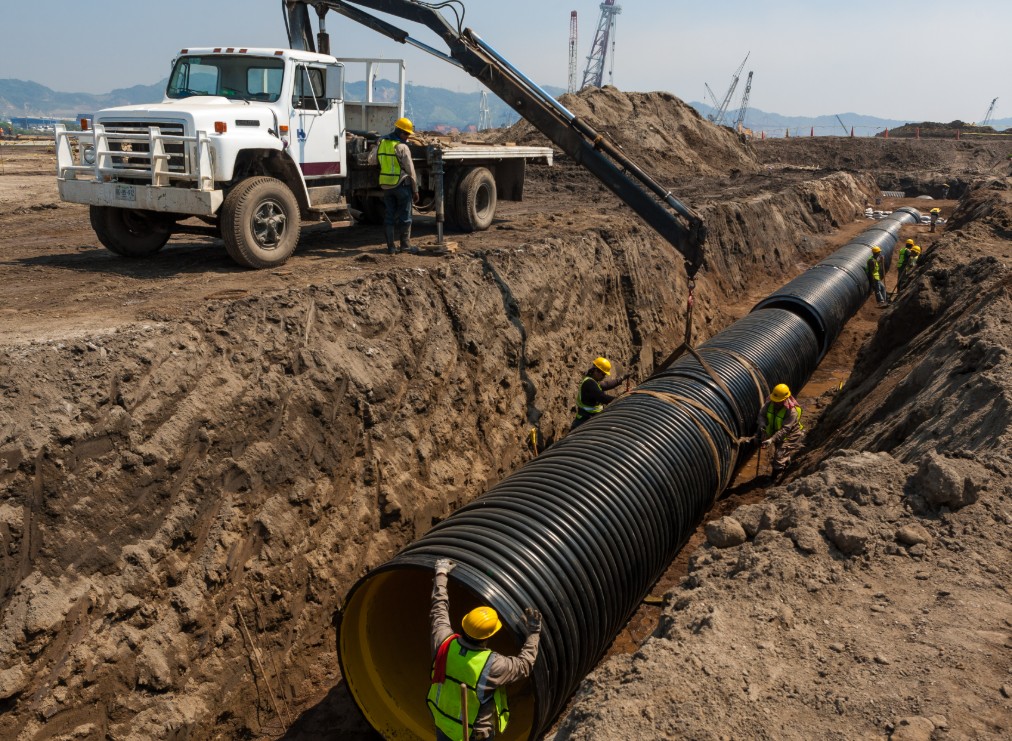
What Impacts the Cost of Drainage Systems Near Hendricks County, Indiana?
What Impacts the Cost of Drainage Systems Near Hendricks County, Indiana?
If you are dealing with standing water in your yard, muddy areas that never seem to dry out, or water creeping toward your foundation after every heavy rain, you are probably already frustrated before you even start looking at prices.
A lot of homeowners near Hendricks County, Indiana feel stuck when drainage problems begin. At first, it might just seem annoying. Maybe the backyard stays soggy for days. Maybe water pools near the driveway. Maybe the basement smells damp after storms. Then over time, the problem grows.
Grass starts dying.
The ground becomes soft and uneven.
Water stains appear along foundation walls.
Parts of the yard become unusable.
And somewhere along the way, homeowners begin asking the same question:
“How much is this going to cost me to fix?”
The hard part is that drainage pricing is not always simple. Two homes on the same road can have completely different drainage needs. One property may need a basic surface solution, while another may require excavation, grading corrections, underground drainage piping, or a full French drain system.
At Max Hass Septic Systems, we work with homeowners throughout Indianapolis and surrounding counties including Marion, Hamilton, Hendricks, Boone, Johnson, Morgan, Hancock, Shelby, and Madison Counties. One thing we have learned over the years is this:
No two drainage problems are exactly alike.
That is why customized solutions matter. The goal is not to sell homeowners the biggest system possible. The goal is to figure out why the water problem is happening in the first place and build a drainage solution that actually works for that property long term.
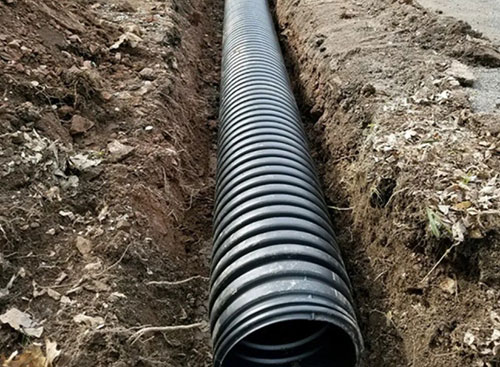
Why Drainage Problems Are So Common Near Hendricks County, Indiana
Indiana weather can be rough on residential properties.
Heavy rain, clay-heavy soil, freezing winters, snow melt, and changing temperatures all play a role in drainage issues. Many homeowners are also dealing with older grading layouts that were never designed to handle large amounts of runoff water.
In some neighborhoods, homes were built quickly during development booms. Over time, yards settled unevenly, drainage paths changed, and water started collecting where it should not.
Some homeowners notice problems immediately after moving in. Others live with small warning signs for years before realizing how serious things have become.
Common drainage problems include:
Pooling water in the yard
Water near foundations
Muddy lawn sections
Basement moisture
Erosion around landscaping
Washed-out mulch beds
Cracks in sidewalks or driveways
Water backing toward septic systems
These issues are more than cosmetic. Water has a way of slowly creating expensive damage when it is left unmanaged.
The Real Cost of Ignoring Poor Drainage Around Your Home
A lot of people try temporary fixes first.
They add dirt to low spots.
They install cheap plastic pipes.
They extend gutters farther away from the house.
Sometimes those things help a little. Sometimes they make the problem worse.
The issue is that water always follows the path of least resistance. If the root problem is not identified correctly, the water simply moves somewhere else.
We have met homeowners who spent years trying one “quick fix” after another before finally addressing the actual drainage issue underneath everything.
Unfortunately, waiting too long can increase costs later.
Poor drainage can lead to:
Foundation damage
Basement leaks
Mold and mildew
Landscape erosion
Cracked concrete
Dead grass and trees
Septic system stress
Structural settling problems
That is why many homeowners looking into Drainage Systems Near Hendricks County, Indiana are not just thinking about yard appearance anymore. They are trying to protect their home investment before the damage spreads further.
What Impacts the Cost of Drainage Systems Near Hendricks County, Indiana?
Several factors affect drainage system pricing. Some properties are straightforward. Others require more complex planning and excavation work.
Here are the biggest factors that usually impact cost.
How Soil Conditions Affect Drainage System Pricing
Soil type matters more than most homeowners realize.
Clay-heavy soil, which is common throughout parts of Indiana, drains very slowly. Water tends to sit near the surface instead of soaking naturally into the ground.
This creates long-term pooling and saturation problems.
Properties with dense clay soil often require:
Additional excavation
Larger drainage systems
Extra gravel installation
More aggressive water redirection
Specialized drainage layouts
On the other hand, sandy soil drains faster and may require less intensive systems.
Before recommending a drainage solution, understanding the soil conditions is critical.
Why Yard Slope and Elevation Matter More Than Most Homeowners Realize
Water movement is heavily affected by elevation.
Even a small grading issue can cause water to flow toward the home instead of away from it.
Some properties naturally sit lower than neighboring lots. Others have sloped backyards that funnel runoff directly toward the foundation during storms.
When grading corrections are needed, costs can increase because equipment, excavation, and additional labor become necessary.
Homes with severe elevation challenges may require:
Regrading
Swales
Retaining structures
Underground drainage piping
Multiple drainage collection points
The more difficult it is to control the water flow, the more involved the drainage solution becomes.
The Difference Between Surface Water Problems and Groundwater Problems
Not all drainage issues are the same.
Surface water problems happen when rainwater collects on top of the ground. These are often visible immediately after storms.
Groundwater problems are different. These occur when water builds below the surface and pushes moisture upward near basements, crawl spaces, or foundations.
Groundwater issues are often more expensive to solve because they require deeper systems and more extensive excavation.
This is one reason why drainage pricing can vary so much from property to property.
French Drains vs. Catch Basins vs. Swales: What Changes the Price?
Different drainage systems solve different problems.
French Drains
French drains are commonly used to redirect underground water away from problem areas. They involve trenching, gravel, perforated piping, and water discharge planning.
These systems are effective but can require significant labor depending on depth and length.
Catch Basins
Catch basins collect surface water runoff and direct it underground through piping systems. These are often used around driveways, patios, and low areas.
Swales
Swales are shallow grading channels designed to redirect water naturally across the property.
Sometimes a simple swale works perfectly. Other times a full underground system is needed.
The right solution depends on how water behaves on the property.
How Property Size Impacts Drainage Installation Costs
Larger properties naturally require more materials and labor.
More piping.
More trenching.
More grading.
More water management planning.
But size alone does not always determine cost. Sometimes a smaller lot with difficult access or major grading problems can be more complicated than a larger open property.
Why Existing Landscaping Can Increase Drainage System Costs
Beautiful landscaping can sometimes create installation challenges.
Drainage contractors often need to work around:
Trees
Irrigation systems
Patios
Walkways
Fencing
Flower beds
Retaining walls
Protecting these areas during installation may require additional labor and planning.
Some homeowners are surprised to learn that accessibility plays a major role in drainage system pricing.
The Hidden Cost of Cheap Drainage Fixes That Fail
Many homeowners near Hendricks County have already tried lower-cost drainage solutions before calling a professional.
Unfortunately, poorly installed systems often fail because they were not designed correctly for the property conditions.
We regularly see problems like:
Pipes installed without proper slope
Drains that clog quickly
Water redirected into neighboring areas
Systems overwhelmed during heavy rain
Shallow trenches that stop working after settling
Fixing failed drainage work often costs more than doing it properly the first time.
Drainage Systems Near Hendricks County, Indiana: What Local Homeowners Say They Wish They Knew Earlier
A common thing homeowners tell us is:
“I wish we would have addressed this sooner.”
Many people underestimate how fast water problems can spread once drainage starts affecting the property.
Small issues slowly become bigger ones.
One wet corner of the yard becomes foundation moisture.
A little erosion becomes concrete damage.
A damp basement smell becomes mold remediation.
That is why homeowners researching Drainage Systems Near Hendricks County, Indiana are often trying to prevent future repairs, not just solve current inconvenience.
How Water Damage Can Affect Foundations, Basements, and Septic Systems
Water is incredibly destructive over time.
When moisture constantly builds near foundations, hydrostatic pressure increases against basement walls. Eventually, cracks and leaks can appear.
Drainage problems can also affect septic systems by oversaturating drain fields and reducing system performance.
This is one reason drainage and septic concerns often overlap.
Managing water correctly protects multiple parts of the property at once.
Why Permits, Excavation, and Material Choices Affect Pricing
Some drainage projects require permits depending on scope and location.
Material selection also changes pricing.
Higher-quality piping, stone, filtration fabric, and drainage components often last longer and perform better over time.
Excavation equipment needs can also impact cost, especially if access is limited or large grading changes are required.
The Best Drainage Systems for Clay Soil Near Hendricks County, Indiana
Clay soil requires careful planning because water moves slowly through it.
In many cases, homeowners benefit from:
French drains
Surface collection systems
Regrading
Downspout extensions
Swales
Combination drainage systems
The best solution usually involves controlling both surface runoff and underground saturation together.
Signs Your Property May Need a Custom Drainage Solution
Some warning signs include:
Water sitting longer than 24 hours
Soft or sinking ground
Water stains near foundation walls
Repeated basement moisture
Erosion around landscaping
Dead lawn sections
Cracking concrete
Constant mud problems
Every property behaves differently. That is why customized drainage planning matters so much.
Questions Smart Homeowners Ask Before Hiring a Drainage Contractor
Before hiring someone, homeowners should ask:
What is actually causing the water problem?
Will this solution work long term?
How will water be redirected?
What happens during heavy storms?
Is excavation required?
How will this affect my landscaping?
What maintenance is required later?
Good drainage planning should solve the problem, not temporarily hide it.
How Max Hass Septic Systems Approaches Drainage Problems Differently
At Max Hass Septic Systems, we focus heavily on understanding the property first.
That means looking at:
Water flow patterns
Soil conditions
Elevation changes
Existing drainage failures
Septic system proximity
Long-term water behavior
We believe drainage systems should fit the property instead of forcing the property to fit a generic system design.
That customized approach helps homeowners avoid unnecessary work while creating solutions built for long-term performance.
What to Expect During a Drainage System Inspection Near Hendricks County
Most drainage evaluations involve:
Walking the property
Identifying low areas
Reviewing runoff patterns
Checking grading
Inspecting foundation exposure
Looking for erosion signs
Evaluating current drainage systems
From there, homeowners can better understand what type of solution makes the most sense for their property and budget.
Final Thoughts on Choosing the Right Drainage System for Your Property
Drainage problems can feel overwhelming because water issues rarely stay small forever.
The good news is that most drainage problems can absolutely be improved with the right planning and installation approach.
The key is understanding what is causing the issue before jumping into a solution.
For homeowners researching Drainage Systems Near Hendricks County, Indiana, the biggest cost factors usually come down to soil conditions, grading, water volume, property layout, excavation needs, and overall system complexity.
And while every property is different, one thing stays consistent:
The sooner drainage problems are addressed correctly, the easier it usually is to prevent larger and more expensive repairs later.
