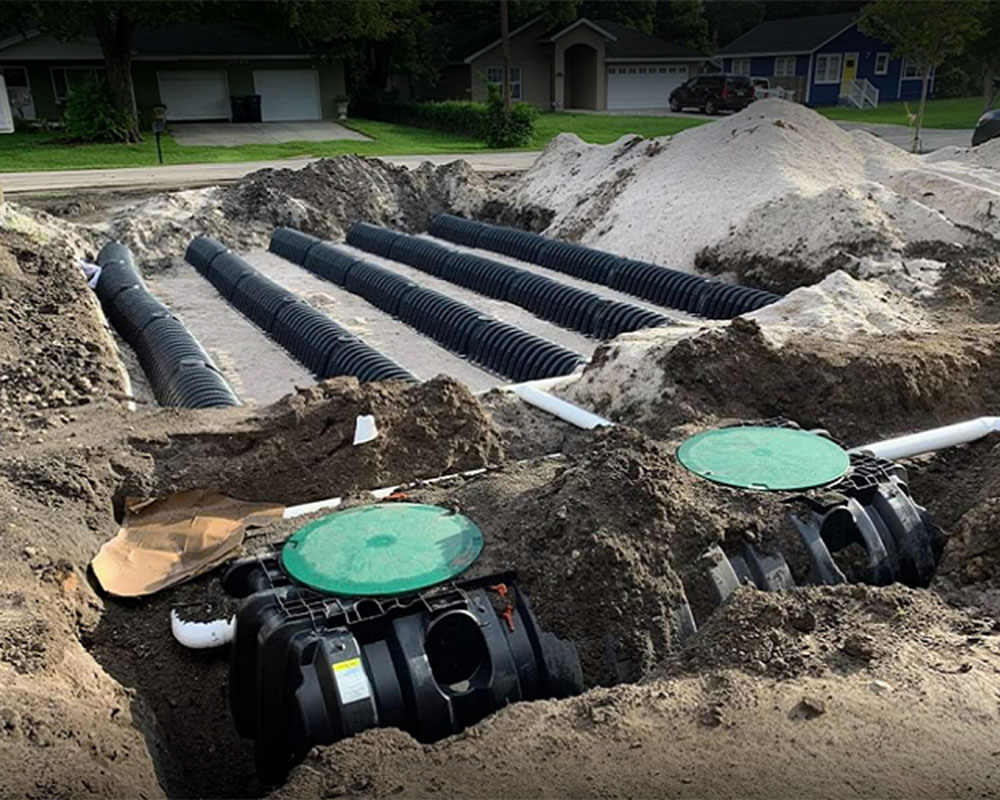
Best Time of Year for Drain Field Replacement Near Hendricks County, Indiana
Why Homeowners Delay Drain Field Replacement Until It Becomes an Emergency
Most homeowners do not think much about their septic system until something starts going wrong.
Maybe the yard stays wet long after the rain stops. Maybe there is a smell outside that keeps getting worse. Maybe the toilets start draining slower than usual, or the grass above the drain field suddenly turns bright green while the rest of the lawn struggles.
At first, many people hope it is something small.
That makes sense. Nobody wakes up hoping to spend money on septic work. Most homeowners around Hendricks County are already balancing enough responsibilities between work, kids, bills, and trying to keep up with the house itself. A failing drain field often feels like one more expensive problem showing up at the worst possible time.
We understand that feeling at Max Hass Septic Systems.
Many homeowners we talk with are not just worried about cost. They are worried about making the wrong decision. They are worried about hiring the wrong contractor. They are worried about tearing up their property only to end up with more problems later.
That is why timing matters so much.
The best time of year for drain field replacement near Hendricks County, Indiana is not always the same for every property. Soil conditions, rainfall, scheduling, and even the type of septic system all play a role. What works well for one homeowner may create delays or extra costs for another.
The good news is that planning ahead usually gives homeowners more options, lower stress, and better results.
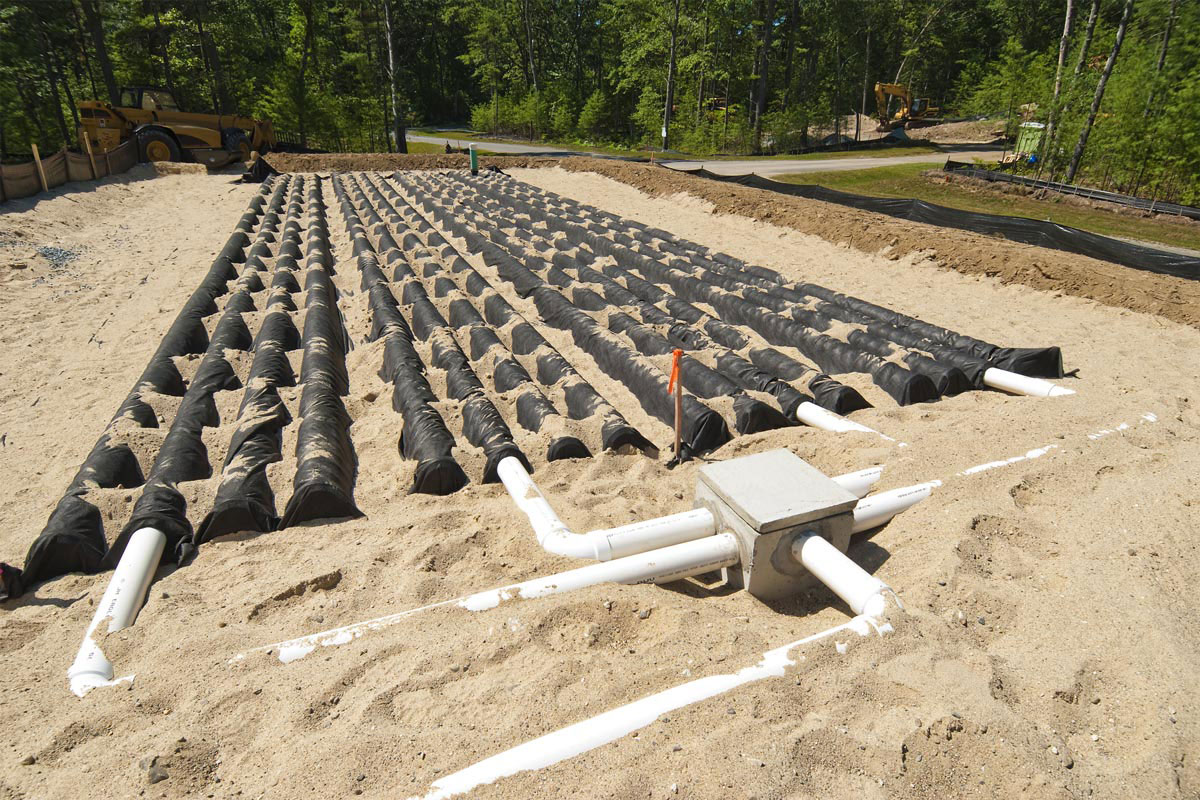
The Most Common Signs Your Drain Field Is Failing
Drain field problems rarely happen overnight. In most cases, the system gives warning signs long before complete failure happens.
Some of the most common symptoms include:
Wet or soggy areas in the yard
Sewage odors outdoors
Slow drains inside the home
Gurgling plumbing sounds
Standing water near the septic area
Grass growing unusually fast over the field
Septic backups during heavy rain
One problem many homeowners run into is waiting too long to investigate these issues. A small problem can turn into a major replacement project if ignored for months or years.
That is especially true in parts of Indiana where clay-heavy soil already struggles with drainage.
Why Soil Conditions Matter More Than Most Homeowners Realize
A lot of homeowners assume drain field replacement is mostly about equipment and labor.
In reality, the soil underneath your property is one of the biggest factors in how successful a septic system will be.
Some soils drain water naturally. Others hold moisture for long periods of time. Around Hendricks County, many properties deal with compacted soil, clay, and poor drainage conditions that can create challenges for septic systems.
This is one reason timing matters so much.
Trying to install a drain field when the ground is heavily saturated can create delays, equipment issues, and poor working conditions. Wet soil can also become compacted more easily during construction, which affects how the new system performs later.
At Max Hass Septic Systems, we spend a lot of time evaluating property conditions before recommending the best schedule for work.
Spring Drain Field Replacement Near Hendricks County, Indiana: Pros and Cons
Spring is one of the busiest seasons for septic work across Indiana.
After winter ends, homeowners begin noticing drainage problems that may have been hidden under snow or frozen ground. Spring rains also expose failing systems quickly.
There are advantages to spring installation:
Moderate temperatures
Easier scheduling before peak summer demand
Good growing conditions for lawn recovery
Better visibility of drainage issues
But spring also comes with challenges.
Heavy rainfall can delay excavation work. Soft ground conditions may slow equipment access. In some cases, properties become too saturated for safe installation.
For homeowners considering Drain Field Replacement Near Hendricks County, Indiana, early spring planning is usually much better than waiting until the busiest part of the season.
Summer Drain Field Replacement: Faster Drying Conditions but Higher Demand
Summer is often one of the best working conditions for septic contractors.
The ground is usually drier, excavation moves faster, and there are fewer weather delays compared to spring. Dry conditions also help contractors evaluate how water naturally moves across the property.
However, summer brings another challenge: scheduling.
Many homeowners wait until summer to tackle large outdoor projects. That means septic companies often book weeks or months in advance.
Emergency replacements become more stressful during this season because homeowners may have fewer scheduling options available.
Summer also creates challenges for households with large gatherings, vacations, and increased water usage. A failing septic system during a busy summer can quickly turn into a major disruption.
Fall May Be the Best Time of Year for Drain Field Replacement Near Hendricks County
Many septic professionals consider fall one of the best times for drain field replacement.
The weather is often more stable. Temperatures are cooler. Ground conditions are usually drier than spring but not frozen like winter.
Fall also gives homeowners time to complete the project before winter weather arrives.
One major advantage is reduced stress on the system. Families are often using less water in the fall compared to summer months filled with guests, kids home from school, and outdoor activities.
Another benefit is lawn recovery. Grass planted in early fall often establishes better because cooler temperatures reduce stress on new growth.
For many homeowners, fall offers a balance between good weather conditions and more flexible contractor scheduling.
Can You Replace a Drain Field During an Indiana Winter?
Yes, but it depends on the property and weather conditions.
Frozen ground can make excavation more difficult. Snow and ice may slow equipment movement. Extremely cold temperatures also create tougher working conditions for crews.
That said, winter replacements still happen regularly.
Emergency septic failures do not wait for perfect weather. When systems completely fail, homeowners may not have the option to postpone repairs until spring.
The biggest issue with winter work is unpredictability. One week may be workable while the next brings freezing temperatures or heavy snowfall.
Planning ahead before winter arrives is usually the safer and less stressful option.
What Local Homeowners Say About Timing Their Drain Field Replacement
Many homeowners who replace their drain field say the same thing afterward:
“We wish we had done it sooner.”
That is because living with a failing septic system creates constant stress. Homeowners start worrying every time it rains heavily. They avoid having guests over. They limit water usage inside the house. Some even delay laundry or showers because they are afraid of backups.
We hear these concerns all the time.
Many homeowners around Hendricks County also mention how much smoother the process became once they had a clear plan and realistic expectations.
The biggest lesson most people share is simple: waiting rarely makes the project cheaper or easier.
How Heavy Rain and Saturated Ground Can Delay Septic Work
Indiana weather can change quickly.
One week may be dry and perfect for excavation. The next may bring several inches of rain that completely change site conditions.
Saturated ground creates several problems:
Equipment can damage the yard more easily
Soil becomes unstable
Excavation may collapse
Drainage evaluations become harder
Installation timelines slow down
This is another reason why planning early matters.
When homeowners wait until the system completely fails, weather delays become much more stressful because the house may already be dealing with active septic problems.
Why Waiting Too Long Can Increase the Cost of Drain Field Replacement
One of the biggest misconceptions homeowners have is believing they are saving money by postponing repairs.
In many cases, the opposite happens.
A failing drain field can damage surrounding soil, overload the septic tank, and create additional drainage problems across the property. Delays may also lead to emergency service calls, temporary repairs, or landscaping damage.
In some situations, homeowners lose the opportunity for smaller corrective solutions because the system deterioration becomes too severe.
That is why proactive planning often saves money over time.
Drain Field Replacement Near Hendricks County, Indiana: What Impacts the Timeline?
Every property is different.
Several factors affect how long a drain field replacement takes:
Soil type
System design
Property slope
Weather conditions
Permit approvals
Accessibility for equipment
Existing drainage issues
Some projects move quickly while others require additional preparation and engineering.
For homeowners researching Drain Field Replacement Near Hendricks County, Indiana, understanding these variables helps create more realistic expectations before work begins.
How to Prepare Your Property Before Drain Field Replacement Begins
Preparation can make the process smoother for both the homeowner and the contractor.
Helpful steps include:
Marking sprinkler systems
Clearing vehicles from the work area
Removing outdoor furniture
Discussing landscaping concerns ahead of time
Understanding temporary water usage restrictions
Good communication before work starts usually prevents frustration later.
Questions Homeowners Should Ask Before Hiring a Septic Contractor
Not all septic contractors approach projects the same way.
Homeowners should ask questions like:
How do you evaluate soil conditions?
Will permits be handled for me?
What type of drain field system do you recommend?
How will weather affect scheduling?
What happens if unexpected issues are discovered?
How do you protect the property during excavation?
A trustworthy contractor should be willing to explain the process clearly without using confusing technical language.
Repair vs Full Drain Field Replacement: How to Know Which One You Need
Not every septic problem requires a full replacement.
Some systems may benefit from repairs, drainage corrections, or maintenance improvements. Others have reached the point where replacement becomes the safer long-term solution.
The challenge is determining which category your property falls into.
That requires a proper inspection, not guesswork.
At Max Hass Septic Systems, we focus on helping homeowners understand the condition of the system so they can make informed decisions instead of rushed ones.
Why Every Property Needs a Customized Drain Field Solution
There is no universal septic solution that works for every property.
Two homes sitting a mile apart may require completely different drain field designs because of soil composition, elevation, drainage patterns, or lot layout.
That is why customization matters so much.
The goal is not just installing a system that passes inspection. The goal is installing a system that performs reliably for years under real-world conditions.
What Max Hass Septic Systems Looks for Before Replacing a Drain Field
Before recommending a replacement, we look closely at:
Soil conditions
Existing drainage problems
Water flow across the property
System age
Tank condition
Space limitations
Seasonal ground conditions
This helps us create a plan tailored to the property instead of using a one-size-fits-all approach.
How to Protect Your New Drain Field After Installation
Once the new system is installed, homeowners play an important role in protecting it.
Simple habits make a big difference:
Avoid parking vehicles over the drain field
Limit excess water usage
Keep trees away from the system
Address plumbing leaks quickly
Schedule regular septic pumping
A properly maintained drain field can last for many years when treated carefully.
Final Thoughts on Choosing the Best Time of Year for Drain Field Replacement Near Hendricks County, Indiana
The best time of year for drain field replacement depends on several factors, including soil conditions, weather, scheduling, and the condition of the existing system.
For many homeowners, fall and summer often provide the most stable installation conditions. Spring can work well too, though rainfall sometimes creates delays. Winter replacements are possible but usually less predictable.
The biggest takeaway is this: planning ahead almost always gives homeowners more control, lower stress, and better scheduling options.
If you are noticing signs of septic trouble, it is usually better to investigate early rather than wait for a complete system failure.
